All Categories
Featured
Table of Contents
It works as a direct and unvarnished sign of procedure quality and resourcefulness. represents lost time and labor invested repairing errors. signifies wasted products and sunk costs. frequently involve additional parts and specialized labor. The FPY computation is straightforward: (Variety of systems finished properly on the first pass)/ (Total variety of systems getting in the procedure).
Companies like Intel, which maintain FPY above 99% in complex semiconductor production, demonstrate the power of this metric in achieving extraordinary quality and expense control. Implementing FPY starts with plainly defining what makes up a "flaw" at each critical stage of your workflow. This is not restricted to manufacturing; for a law office, a problem could be an agreement with mistakes needing revision.
Don't just track the last FPY. Step the yield at each specific step of the process. This creates a "Rolled Throughput Yield" (RTY) that offers a more accurate image of end-to-end process health and determines the precise phases where defects are most regularly presented. Johnson & Johnson carefully tracks FPY in its pharmaceutical production lines.
A dip in FPY at a specific stage, like tablet coating or packaging, right away sets off a source analysis to avoid malfunctioning products from ever reaching the market. By focusing on FPY, you shift your team's state of mind from merely fixing problems to preventing them from taking place in the first place.
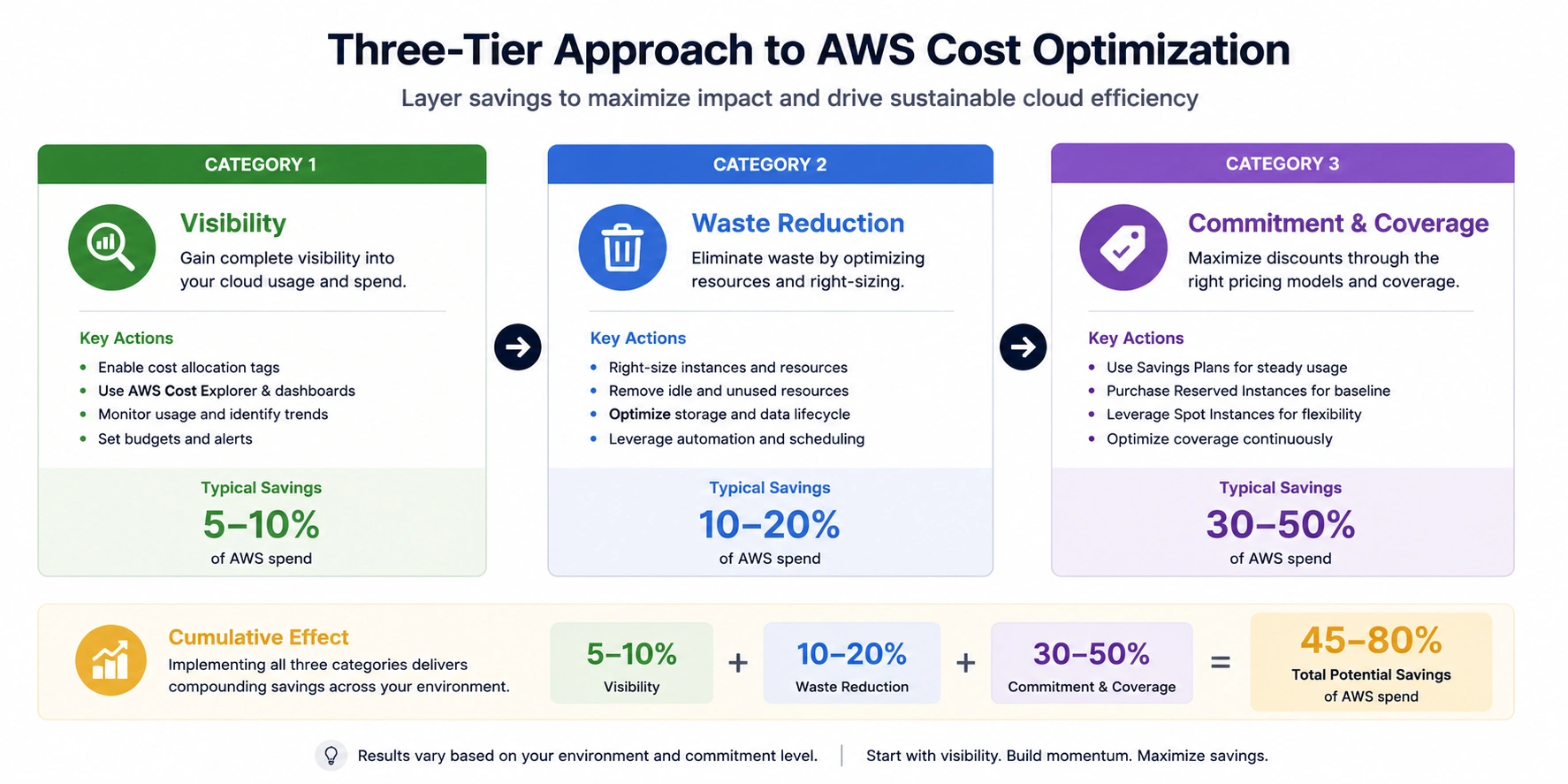
Maintaining Enterprise Cloud Efficiency for 2026
Labor Productivity is an essential functional efficiency metric that determines the genuine output created per system of labor input. It quantifies how efficiently an organization transforms work hours into valuable items or services, normally expressed as output per staff member or output per hour. This metric is a foundation for evaluating organizational health, comparing performance with time, and benchmarking against market leaders.
is the overall hours worked or the variety of staff members needed to generate that output. is the ratio of Output to Labor Input, providing a clear indicator of personnel usage. The core principle, popularized by management thinkers like Frederick Taylor and Peter Drucker, is that systematically enhancing how work is done directly increases value creation.
How to Refine Cloud Budgets in 2026This is one of the most direct for service-based companies, consisting of accounting, legal, and not-for-profit organizations. Start by defining a clear and consistent system of output for a specific team or function.
Maximizing IT Governance for Budgetary Efficiency
Constantly pair labor efficiency with a quality metric. Track "customer cases resolved per agent" alongside "client complete satisfaction scores (CSAT)" to ensure effectiveness gains don't come at the expenditure of service quality. UPS notoriously improved motorist performance by over 12% using its path optimization software (ORION) and lorry telematics.
Similarly, lots of accounting firms now utilize cloud-based platforms to automate information entry, maximizing experts to deal with more high-value customer advisory tasks and thus increasing their overall performance. By measuring and evaluating labor productivity, organizations can determine chances to improve service effectiveness through better processes, targeted training, or tactical innovation adoption.
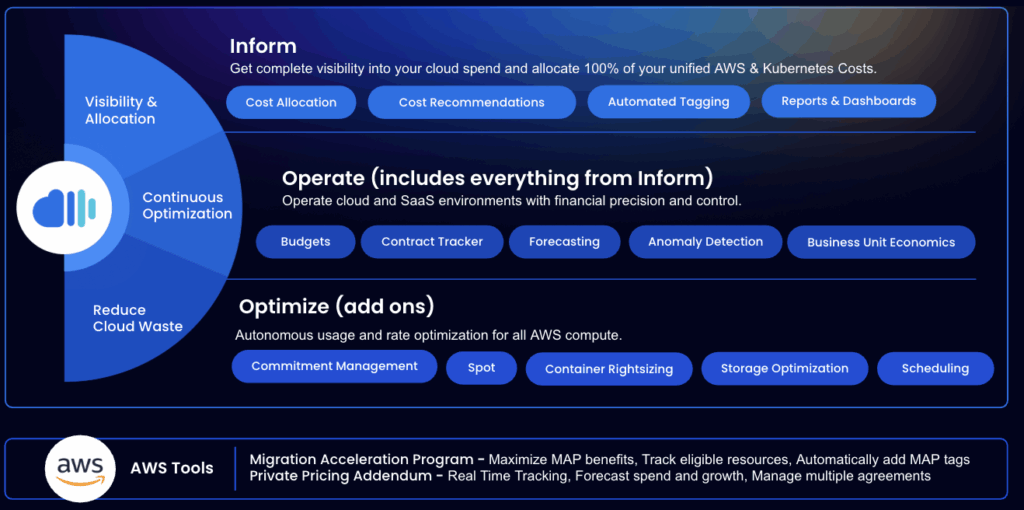
The Possession Usage Rate is a basic metric that determines how effectively a company leverages its properties to create profits or worth. This key performance indication is one of the most direct, assessing the proportion of time a property is actively contributing versus its total prospective capability. It applies to whatever from physical equipment and server racks to software licenses, revealing whether capital investments are providing their expected return.
Evaluating Various Cost Management Systems
In cloud environments, it tracks the usage of server CPU, memory, or storage against provisioned capability. In service markets, it can determine billable hours against total paid hours for experts or attorneys. The rate is computed by dividing real use by the maximum possible usage (Actual Output/ Optimum Possible Output).
Netflix notoriously re-architected its systems to accomplish over 90% server utilization, considerably minimizing waste in its huge cloud infrastructure through predictive auto-scaling. Begin by cataloging your most significant capital properties, both physical and digital. For a little business, this may be a single delivery lorry or its main application server.
Pushing possessions to their absolute limitation without breaks frequently leads to premature failure and more pricey, unplanned interruptions. Southwest Airlines offers a timeless example, consistently preserving over 11 flight hours per aircraft daily, well above the market average of 8-9 hours.

Latest Posts
How Cloud Optimization Redefines 2026 IT Infrastructure
Establishing Robust Cost Frameworks
Proven Tactics to Control Enterprise Costs