All Categories
Featured
Your group will not need to download apps or complete complicated training. By keeping everyone notified about resource changes and schedule in real-time, Yourco helps prevent pricey misallocations and keeps your whole group lined up and efficient. Do not let another project suffer from spread resources or another team stress out from bad planning. Try one structure from this guide on your next job, and think about how Yourco's SMS platform can reinforce your interaction to frontline workers.
Analyzing Modern Vs. Legacy Cloud Asset GovernanceProperly lined up resources permit teams to complete work much faster, with less errors, and with less frustration. Business that master resource allocation normally see performance enhancements of 20-30%compared to those using ad-hoc approaches. Resource leveling changes task timelines based on resource restrictions, possibly extending due dates to avoid overallocation.

The key is establishing a regular rhythm while remaining flexible enough to deal with unexpected changes. Set triggers for ad-hoc reviews when particular conditions occur, such as crucial resource schedule modifications, scope changes, or efficiency deviations beyond established thresholds. Resource optimization is crucial to delivering an effective job. Resources, of course, are anything utilized to perform the task, including personnels and non-human resources. Resource management strategies keep a job on schedule. To have the ideal resources at the correct time, project managers require to understand resource optimization strategies. Resource optimization is an umbrella term that covers a vast array of techniques that are employed in job management to match job resources to the project schedule. It's included in the allocation and management of resources in as effective a manner as possible. These resources can be anything from materials and devices to labor. Knowing the readily available resources and scheduling them effectively is important for any organization to satisfy its strategic goals within a timeframe and spending plan. Some of the manner ins which resource optimization works are by managing the workload of personnels by aligning job tasks with due dates and the resources available. This is one manner in which a company can remain within budget plan. Project management software helps you get the most out of your resources and handle them so resources are available when you require them. ProjectManager is award-winning task management software application with resource management features that help you match your resources to your project schedule. When onboarding your group, set their accessibility, consisting of PTO, trips and worldwide holidays, to make assigning basic. Balance the work right from that chart to keep teams working more productively
Get going with ProjectManager today for totally free. ProjectManager has resource management features to help you work more effectively. Find out more Resource optimization is very important in task management due to the fact that it assists jobs increase productivity and performance. That means that job schedules can be met and job spending plans are kept to. Another concern in job management is team spirits. If your team is unhappy, they're not going to work well together or be as efficient as possible, which will negatively affect your timeline and budget plan. One way to keep teams delighted is not exhausting them, but keeping them designated to capacity. Download Excel File We've already discussed three of the more common resource optimization techniques: resource leveling, resource smoothing and reverse resource allocation. Each is crucial and worth defining and supplying more detail to comprehend how they work. Resource leveling is when the start date and finish date are gotten used to enable a project to end up with the resources it has. Task supervisors utilize this to allocate tasks with the appropriate resources, such as an employee who's certified to do that particular job. This helps with resource useand decreases deficits while increasing the performance of a job's resources. It can assist prevent over-allocation and helps to deliver quality outputs. Resource smoothing is utilized when dealing with time restraints. Called time-constrained scheduling, resource smoothing keeps requirements within the spending plan and prevents using more resources than assigned for the project. To do this, one must have access to the work of human resources. This assists with delivering on time in a cost-effective way but needs prioritizing some jobs and postponing others. You'll want to utilize this resource optimization strategy when there's a set due date or vital jobs should happen on a specific date. This permits you to determine the start dates for the resources needed.
Our resource preparing template helps you recognize the human resources that are needed to complete a job. With this info, you can estimate your task labor costs and implement resource optimization strategies. Free Resource Plan design template. Download now Handling resources is always preferable to refraining from doing so, however there are particular benefits associated with effective resource optimization.
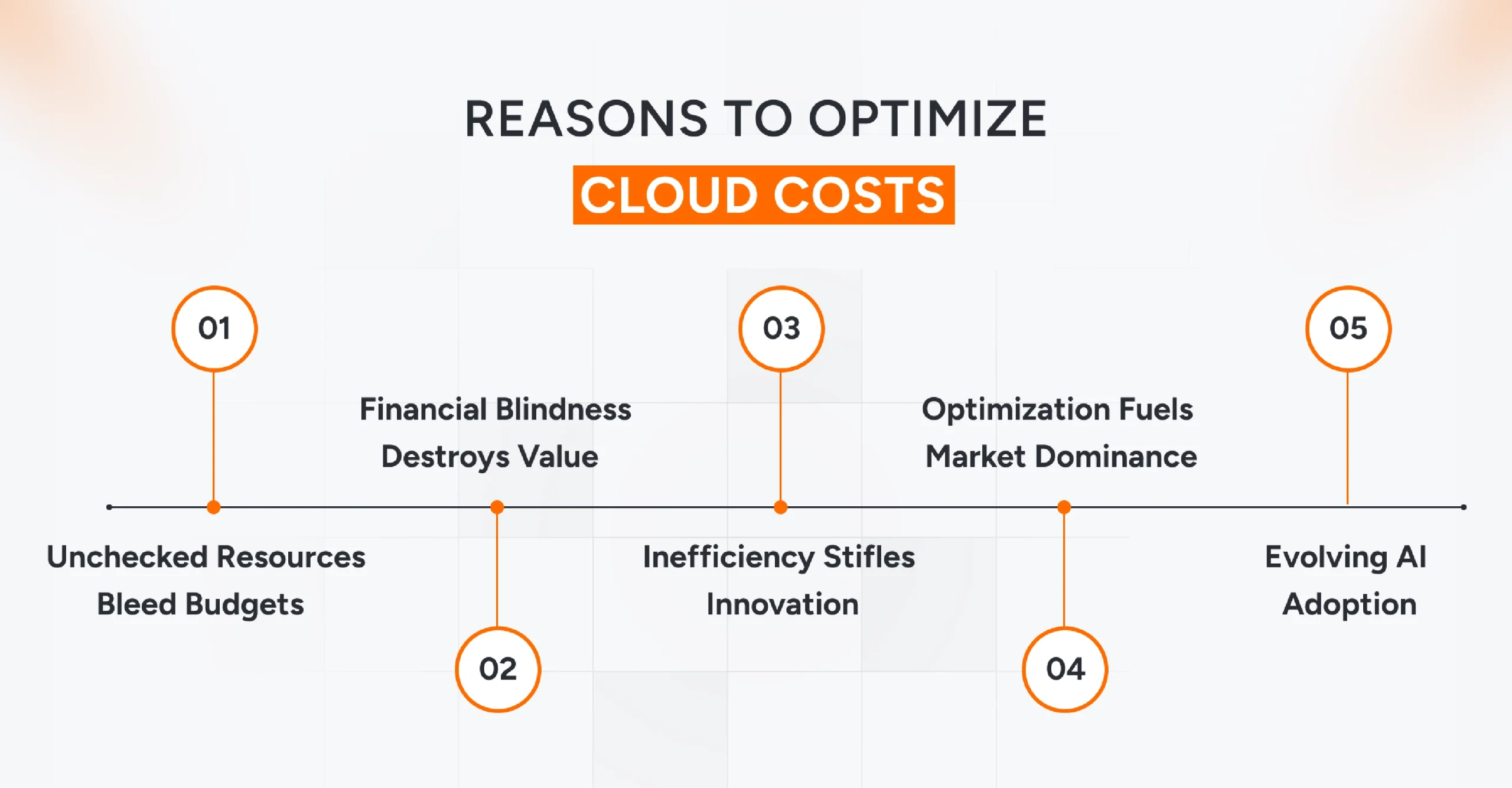
Future-Proofing Enterprise Cloud Management for 2026
For one, it assists with resource scheduling so you have resources with the ideal ability sets for the tasks. Reliable resource optimization helps project managers better schedule their human resources. Not just can this process be streamlined, but it ensures that you have the right coverage, which prevents deteriorating morale and minimizing productivity. There are also cost savings by stabilizing workload and recognizing and removing resources that you're not using. Most significantly, you get openness across your jobs, which constructs trust, better understanding, and, in so doing, higher success. You'll likewise get visibility into your group's abilities. Software tools such as ProjectManager offer a summary of your group's ability in addition to their availability.
Here are a few things to think about to provide an effective resource optimization method. To properly set up resources you first need to recognize them.

Latest Posts
How Cloud Optimization Redefines 2026 IT Infrastructure
Establishing Robust Cost Frameworks
Proven Tactics to Control Enterprise Costs