All Categories
Featured

How to Refine Cloud Spending for 2026 Planning
Table of Contents
The demand for cloud infrastructure soars as the IT market grows, increasing the complexity of asset tracking and managing resources. Platform, DevOps and SRE engineers are necessary in managing these environments, enhancing operations, and planning for the future. According to Gartner, by 2025, over 90% of breaches in the cloud will have a source of preventable misconfigurations or mistakes by end users.
Here's why cloud property management is a game-changer for modern engineering teams. Cloud service providers like AWS and Google prioritize data defense, but organizations stay responsible for constant security enhancements.
If multiple group members release cloud resources separately, keeping a complete stock of the resources becomes tough, compromising security concepts, expense optimization, and security measures. Here are a few of the challenges dealt with by teams battling with cloud possession management: Cloud environments continually alter, with new possessions being provisioned and decommissioned frequently.
For instance, In a hybrid cloud environment, various teams might use AWS, Azure, or GCP, needing different tools for insights. Normally, no single tool offers a unified multi-cloud control panel, making it challenging to preserve a thorough cloud asset stock. As an outcome, PowerShell/Bash scripts are frequently used, or the job is done by hand.
Without a proper tag management system, identifying ownership, usage, and upkeep of cloud resources is challenging. Irregular tagging makes complex cloud cost management and accountability.
Implementing Strategic IT Governance ProtocolsSteps to Achieve Total Infrastructure Visibility in 2026
IaC tools streamline cloud resource provisioning, however this ease makes complex monitoring user activities and tracking resource modifications. An RBAC policy governing what can be provisioned and what is off-limits based on user functions is important. For instance, discrepancies emerge if a DevOps engineer stocks cloud possessions for expense preparation, but someone changes the circumstances size of five VMs without upgrading the IaC code.
Accepting web cam can spell huge ROI, plus offer: The main advantage of tracking cloud assets is achieving total visibility of all resources that provide cloud services. This comprehensive view enables accurate possession lifecycle management, making sure that assets are efficiently monitored, kept, and optimized throughout their life expectancy. For example, the system aggregates data from AWS EC2 circumstances, Azure VMs, and Google Cloud Compute Instances into a single dashboard, allowing IT administrators to view all calculate resources, monitor their statuses, and make sure proper tagging and use.
But a robust cloud property inventory service does not simply note your resources; it supplies a wealth of info about each possession: Resource type and specificationsCreation date and last modified timestampAssociated tags and metadataOwnership and access permissionsCost and usage metricsRelationships and reliances with other assetsThis detailed details is crucial for making informed decisions about resource allocation, security measures, and cost management strategies.
To deal with the rise, the website uses on-demand scaling with a cloud provider like AWS. As traffic spikes, extra servers (EC2 circumstances) immediately introduce to handle the increased load.
By getting an extensive knowledge of their cloud asset inventory, organizations can make knowledgeable decisions on security measures, boosting their general security posture. A financial services business that stores sensitive consumer data on cloud platforms such as AWS, Azure, and Google Cloud. To guarantee robust security, they need a clear list of the properties and their setup.
Why Cloud Control Stays Vital for 2026 ROI
Organizations should execute procedures for continuously monitoring and recognizing misconfigurations in work to keep a safe and secure environment. A couple of examples of misconfigurations in cloud resources include opening vital ports such as database ports, SSH ports, RDP ports, etc, to the internet without restricting IPs, openly accessible S3 pails, or granting excessive permissions to IAM policies.
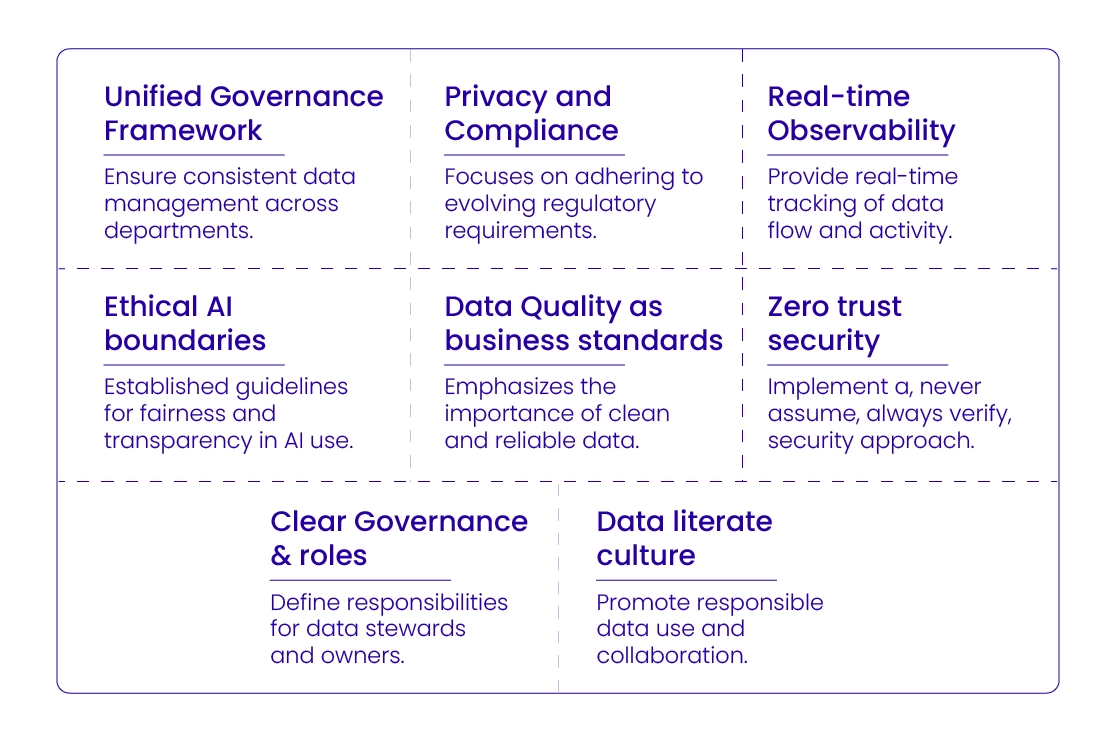
At the exact same time, it empowers DevOps to ramp Infrastructure-as-Code up rapidly and to create and deploy cloud infrastructure securely and regularly within organizational policies. Firefly is a Cloud Asset Management software application service that helps DevOps, Platform Engineering, and SRE groups improve their cloud management using Infrastructure-as-Code (IaC), which reduces cloud complexity, improves asset effectiveness, and builds a trustworthy platform.
Firefly supports cloud service companies like AWS, GCP, K8s Clusters, DataDog, GitHub, Akamai, Okta, Terraform, Pulumi, and more, making it an effective piece of cloud possession management software application for most of the cloud landscape. Firefly helps you manage your whole multi-cloud footprint.

Latest Posts
How Cloud Optimization Redefines 2026 IT Infrastructure
Establishing Robust Cost Frameworks
Proven Tactics to Control Enterprise Costs