All Categories
Featured
Table of Contents
Hi I am building a program where trainees are signing up for an examination which is performed at several cities through out the country. While signing up students provide a list of three cities where they would like to give the test in order of their choice. So a trainee may state his very first choice for an examination centre is New York followed by Chicago followed by Boston.
The basic method to do this would be to initially go through the list of very first choice of students allocate as numerous as possible then go through the list of second options and allot. This may lead to the trainees who are initially in the list getting their very first centre and the last trainees getting their third choice or worse none of their options.
Evaluating New Frameworks for Enterprise EfficiencyOrganizations choose every day how to designate their resources, whether it's identifying which items to produce, allocating a portfolio of EV-charging stations to optimize roi, or combining shipments to minimize shipping expenses. By producing a digital twin of the organization's functional reality, Foundry leverages the digital representation of the company to drive and optimize resource allowance choices.
The Role of Advanced Cost Management
Organizations are faced with a range of such allocation and optimization issues. Resource allocation and optimization workflows need organizations to collect, tidy, transform, and design pertinent information such that optimum allocation decisions can be made. This is frequently done through specialized software application operating on top of a single information source that can not be adapted to new truths and altering organizational characteristics, or through painstaking collation of multitude data sources, spanning a multitude of spreadsheets and databases.
Initially, subject-matter professionals determine unbiased functions that need to be taken full advantage of or decreased, recognize the pertinent dynamics, and define the system and its constraints. Appropriate information that need to be collected and incorporated from source systems is determined. This is frequently an iterative procedure where Shape and Quiver are used to drill into the information and comprehend what is possible.
Associated products: Simulated optimum allotments, scenario prospects, or "What-If" scenarios are created through automated Transforms. The optimum allotments or circumstance options can be explored and assessed in no- to low-code applications built in Workshop or Slate applications. For instance, in the Load Utilization Enhancement usage case, users are presented with recommended chances to combine deliveries (truck-loads) in order to save on shipping expenses.
These opportunities take into consideration extra stops, rescheduled pickup/delivery visits, and plant/customer constraints. The Load Planner then Approves, Declines, Combines, or Reassigns the Opportunity. Writeback of allotment choices along with the context in which each decision was made ways that the predicted versus actual outcome can be compared and examined with time.
Related items: Despite the Pattern used, the underlying information foundation is built from pipelines and syncs to external source systems. Data integration pipelines, written in a range of languages including SQL, Python, and Java, are utilized to integrate datasources into the subject matter ontology. Foundry can from a wide selection of sources, including FTP, JDBC, REST API, and S3.
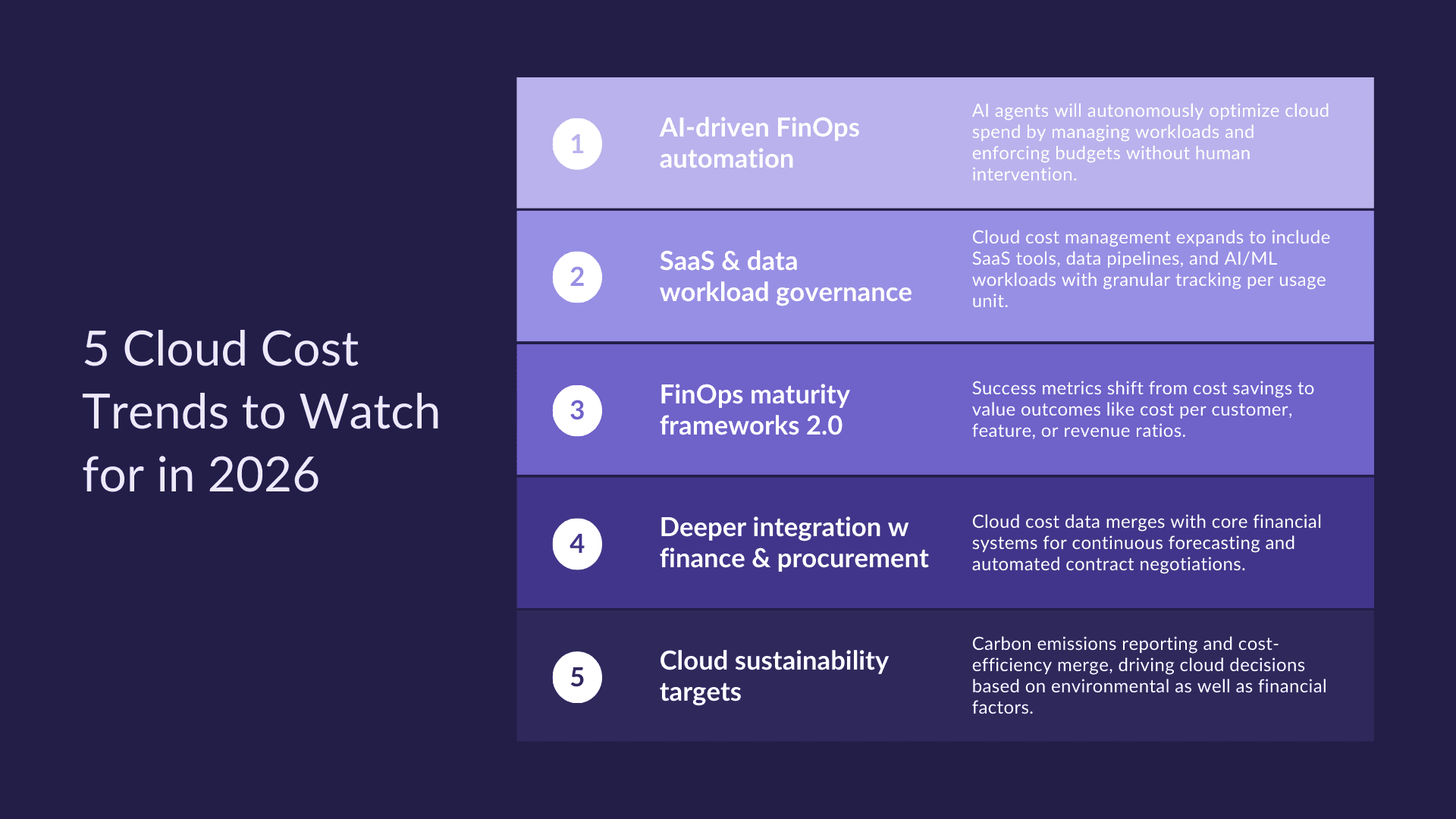
Why Does Cloud Governance Drive 2026 ROI?
Desire more information on this use case pattern? Seeking to execute something similar? Start with Palantir. .
The type of issue most often determined with the application of linear program is the problem of distributing limited resources amongst alternative activities. The scarce resources are the times readily available on the makers and the alternative activities are the individual production volumes.
With the exception of item 4 that does not require device 1, each item must go through all 4 devices. The system earnings are also shown in the table. The facility has four makers of type 1, five of type 2, 3 of type 3 and 7 of type 4.
The problem is to figure out the optimum weekly production quantities for the items. The objective is to make the most of total earnings. In constructing a model, the primary step is to specify the decision variables; the next action is to compose the restraints and unbiased function in regards to these variables and the problem data.

Latest Posts
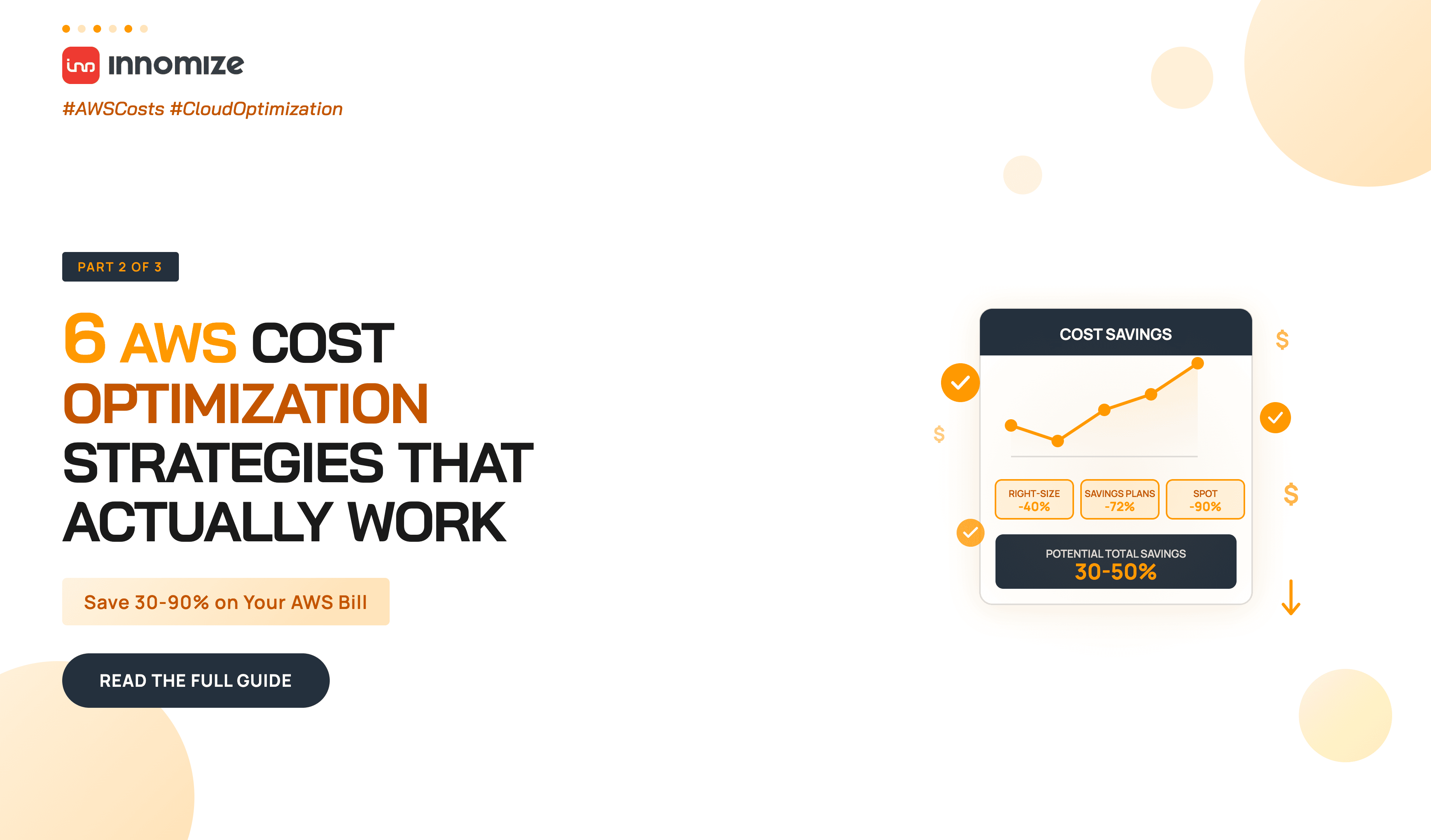
How Cloud Optimization Redefines 2026 IT Infrastructure
Establishing Robust Cost Frameworks
Proven Tactics to Control Enterprise Costs